From Medicine to Salterra: Michael Tibbetts on Building a Resort With a Story
By Steve Turk | The Hospitality Mentor
Michael Tibbetts spent years moving between two demanding worlds. In one, he was an ophthalmologist caring for patients. In the other, he was helping lead his family's resort business in the Cayman Islands.
When we sat down for The Hospitality Mentor Podcast, I wanted to understand how that experience shaped the person behind Salterra, a Luxury Collection Resort & Spa on South Caicos. Michael is Chairman and CEO of JEM Worldwide and the founder and CEO of Salterra. His story brings together family responsibility, a career change and the work involved in creating a luxury resort on a less familiar island.
What stayed with me was how often our conversation came back to trust. With a patient, an employee, a business partner or a guest, Michael sees the same starting point: pay attention to the person in front of you.
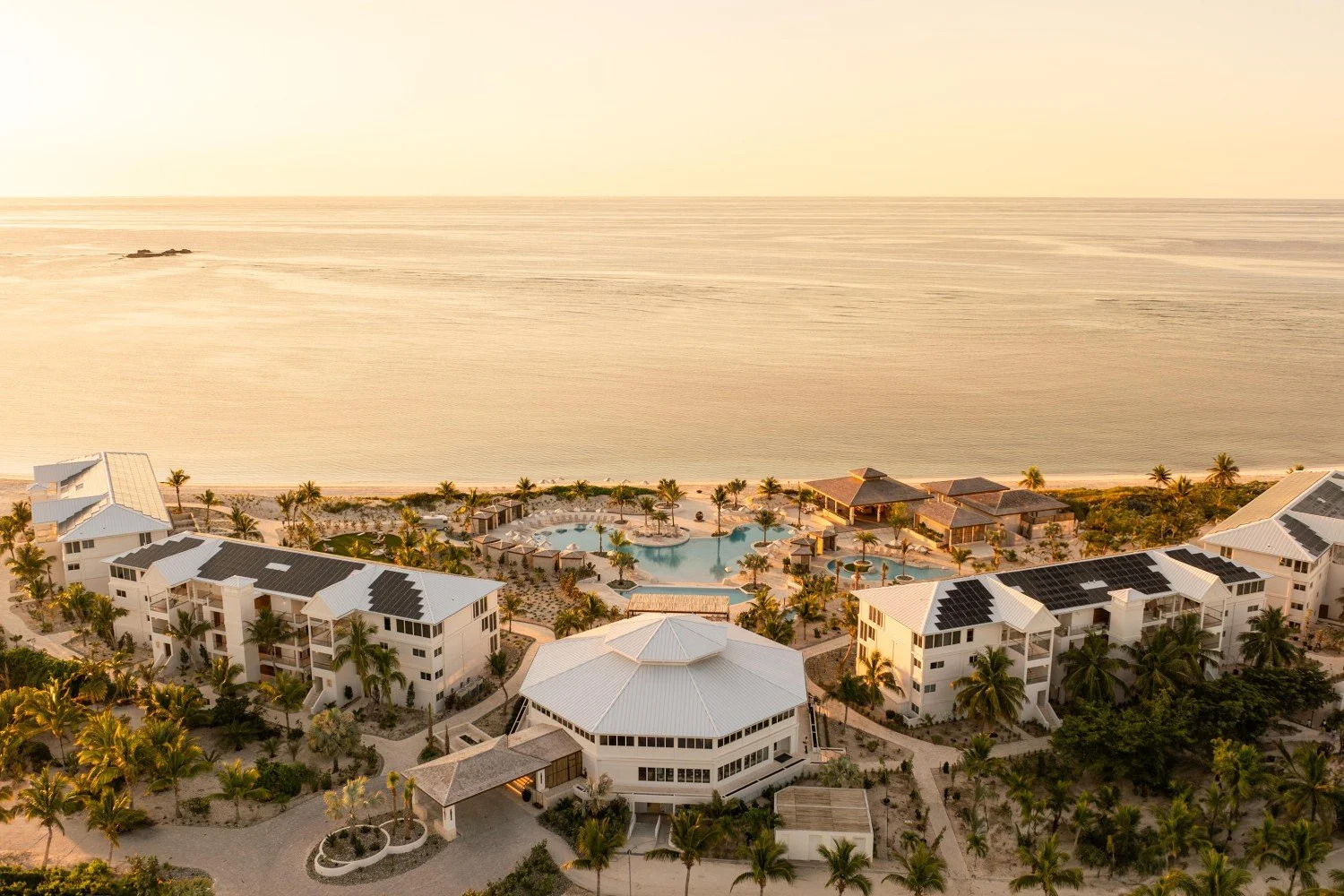
Salterra's beachfront resort on South Caicos, with guest buildings arranged around the pools and shoreline. Image source: Salterra Resort & Spa, official gallery.
Learning hospitality before choosing it
Michael's first hospitality job involved clearing land with a maintenance crew at his family's resort on Little Cayman. His sisters were working at the front desk, which sounded considerably better to him during those long summer days.
The family connection ran much deeper than a summer job. Michael explained that his grandfather opened a resort on Cayman Brac in 1978 to help create economic opportunity on the island where he was born. His father later developed a resort on Little Cayman.
Michael pursued his own interest in science and medicine. When his father died while he was in medical school, he took on responsibility in the family business while continuing his training. For years, he managed both commitments, sometimes using time off from residency for important resort meetings.
Eventually, that arrangement became difficult to sustain. Driving across Alligator Alley after another trip, he questioned why he was still racing between the two careers. A friend's question helped clarify his decision: when he had time to think, which problems occupied his mind? He realized he was thinking about the business.
He still values his years in medicine and encourages people entering family businesses to gain outside experience. It gave him confidence, perspective and a leadership identity of his own.
What a doctor brings to hospitality
One of the most useful parts of our conversation was Michael's explanation of how he learned to communicate difficult news.
Before explaining a problem, he considers the setting and the relationship. Sitting down conveys that you have time for someone. Listening helps you understand what they are worried about. A clear explanation and a practical next step reduce the uncertainty that makes an already difficult situation worse.
I could immediately see the connection to hospitality. A guest with a serious concern needs your full attention and a clear sense of what happens next. An employee facing a difficult conversation deserves that same preparation and respect.
Michael's medical career required him to be completely present with his patients. That habit carries into how he thinks about service and leadership today.
Finding the story before making the design decisions
As the family business considered expanding beyond the Cayman Islands, Michael visited South Caicos and saw potential in an existing resort that needed substantial work. The business acquired the property, then called East Bay Resort, in 2021 and operated it while developing a larger vision.
Michael described an important turning point with his design and concept partners. Before moving further into individual decisions, they asked what story the resort should tell and how it should reflect the island.
That led them to South Caicos' salt history and the salinas. Michael recalled photographing the salt flats from above, capturing pinks, burnt oranges and old stone walls. Those details helped shape Salterra's identity and informed choices throughout the property, from design to dining and guest experiences.
As someone developing a hospitality concept myself, I appreciated that part of the conversation. A clear story gives your team something concrete to return to when hundreds of decisions compete for attention. It helps the experience feel connected.
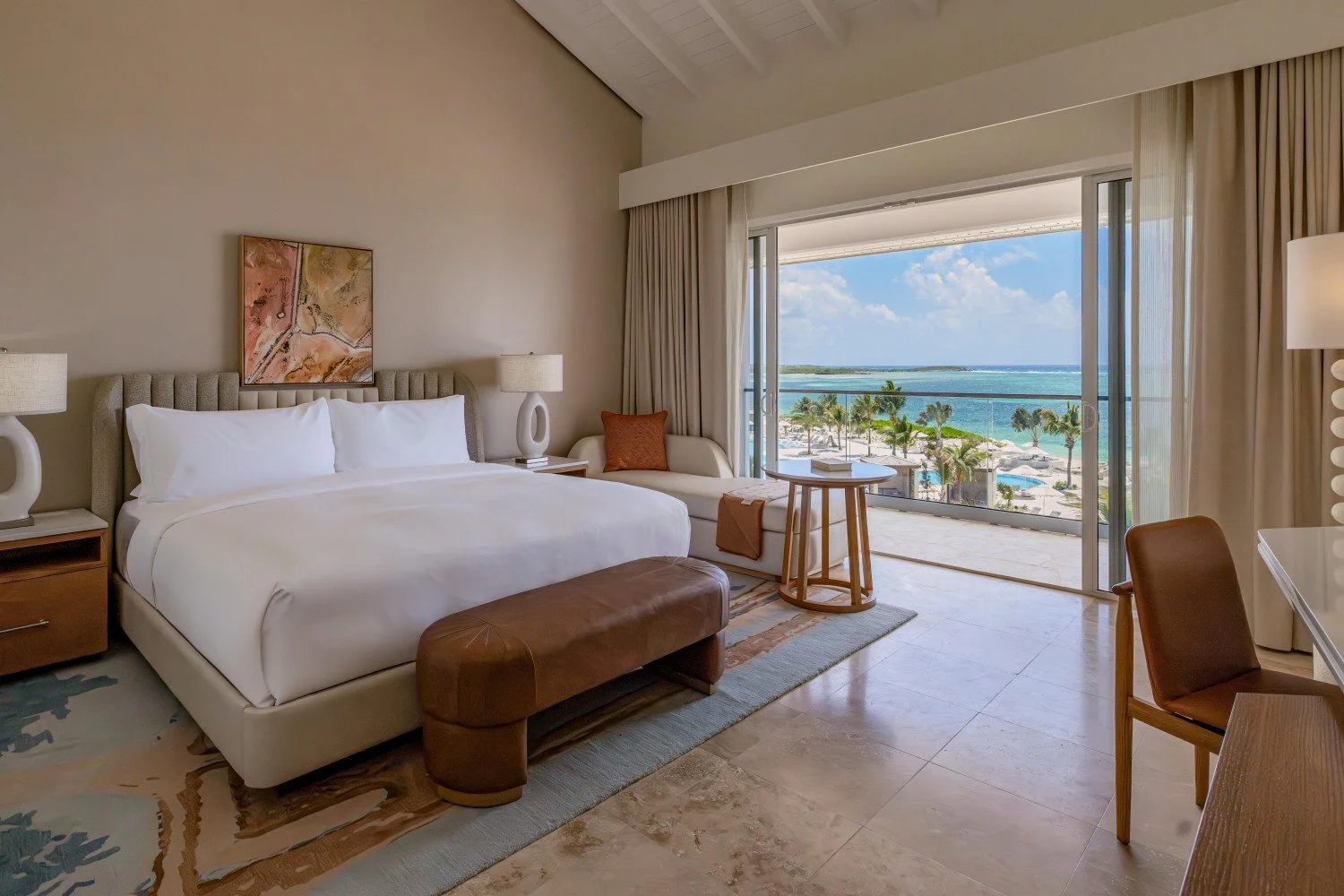
An ocean-view king guest room at Salterra, with a private balcony overlooking the coast. Image source: Salterra Resort & Spa, official gallery.
The work beyond the hotel
Michael described the project as a complete redevelopment. Getting it built meant solving practical problems that rarely show up in the finished photographs. He recalled roughly 250 containers arriving for the project and the difficulty of arranging regional shipping to a small island.
The team also had to consider staff housing, build a service culture across a diverse workforce and help make the destination easier to reach. Michael's experience operating on small islands had taught him to think beyond the boundaries of the hotel.
The experience outside the guest room matters, too. Salterra's official adventures program includes guided bonefishing, kayaking and reef snorkeling. Those activities give guests ways to engage with the setting that inspired the resort in the first place.
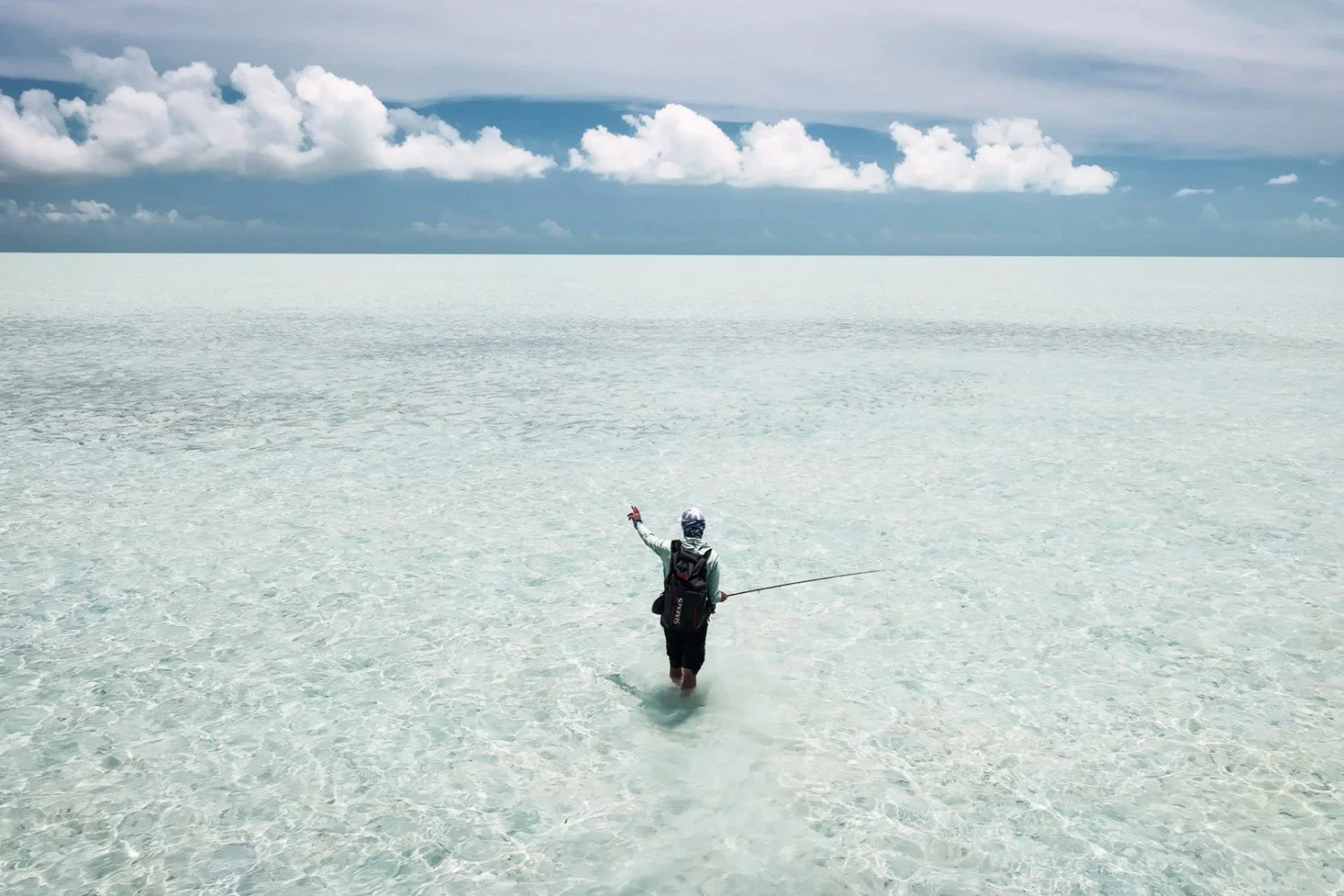
Bonefishing in the shallow waters around South Caicos is among the experiences offered through Adventures by Salterra. Image source: Salterra Resort & Spa, official gallery.
The relationships still need your attention
Affiliating with Marriott's Luxury Collection gave Salterra access to a wider distribution network and helped establish credibility with partners. Michael also learned that he still had a substantial role in building demand.
An advisor encouraged him to travel, meet the people serving luxury travelers and develop those relationships personally. Michael continues to connect with guests and sees referrals and return visits as meaningful signs that the experience is working.
When I asked about a favorite place at the resort, he talked about gathering around a large table at Flamingo Café, eating gelato with his daughters and meeting other families. He enjoys seeing children make friends while their parents connect.
That is a useful picture to keep in mind while developing a resort. The design, logistics and partnerships create the conditions for moments like those. Michael's advice to future leaders follows the same thinking: learn how people work, build trust and become someone who can bring a team together.
Listen to the full conversation:
Presented by Lodgify. Use code THM60. See Lodgify for current offer terms.